by Christine Marlet | Dec 10, 2024 | All, Gender Equality, Women in Leadership, Women Input in STEM
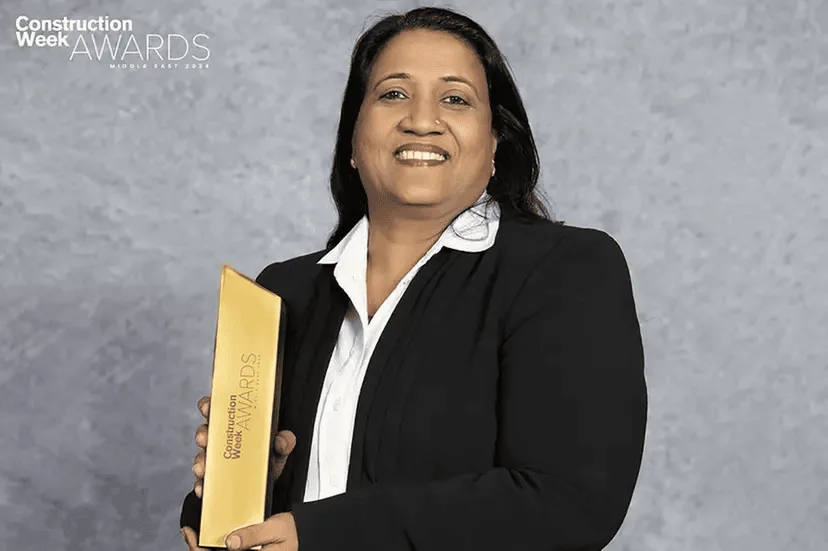
Sheeba Benny of Stantec Middle East Limited has been named as “Electrical Engineer of the Year” at the Construction Week Middle East Awards 2024, celebrating a significant milestone for female leadership in the region’s building services design consultancy and construction sectors. The award was announced during the event’s 20th anniversary celebration at the JW Marriott Marquis Dubai on November 21st.

by Christine Marlet | Dec 4, 2024 | All, Gender Equality, Women and Men Collaboration at Work, Women and Men Cooperation at Home, Work-Life Balance/Integration
In Hannah’s Children, Catherine Ruth Pakaluk has written a ground-breaking book that provides novel, timely, and critical insight into the dramatic fertility decline that is taking place in developed nations. Pakaluk, a Harvard-trained economist who has eight children herself, conducted interviews with fifty-five college educated women living in the United States who had five or more children, seeking to understand why they had chosen to have such large families. Though we hear from the women about their children’s fathers, the story is told through the lens of the mothers.

by Christine Marlet | Nov 28, 2024 | All, Female identity, Gender Equality
A brand-new study by researchers at Columbia Business School shows that women executives now negotiate more and better than men! That’s a bit counter-intuitive, and well worth talking about.

by Christine Marlet | Nov 21, 2024 | All, Gender Equality, Others
We’ve often heard Hobbes say: “Man is a wolf to man”, meaning that threat and war are at the heart of our humanity. But what about women? Is war only a “man’s business”? Are they only destined to be victims of war, without having their names inscribed on monuments? How are women’s rights and lasting peace linked? We’re talking about it!
by Christine Marlet | Nov 13, 2024 | All, Gender Equality, Women Input in Digitalisation, Women Input in STEM
Based on the past mentoring programs and experiences, Women STEM-Up project has developed a mentoring program for female undergraduate students as mentees, and university staff and women STEM professionals as mentors. The project partners have now launched a call for mentors: women STEM professionals, scientists, entrepreneurs, and innovators who are interested or involved in supporting women in STEM fields. Whoever is committed and passionate about women staying in STEM fields and look for ways to inspire and support them, this is a great opportunity.

by Christine Marlet | Nov 5, 2024 | All, Gender Equality
The study suggests several avenues for future research to further understand and address gender imbalances in the workforce. One key area is exploring how different aspects of job design, beyond recruitment strategies, might influence men’s decisions to enter female-dominated fields. Additionally, investigating the long-term effects of these interventions on both male and female workers’ career progression and job satisfaction could provide a more complete picture of diversity and inclusion in these sectors. Finally, expanding the research to other industries and cultural contexts would help determine the broader applicability of these findings and refine strategies for fostering gender diversity across various industries.



Commentaires récents