by Christine Marlet | Sep 4, 2026 | All, Fatherhood-Motherhood-Children Education, Gender Equality, Male identity
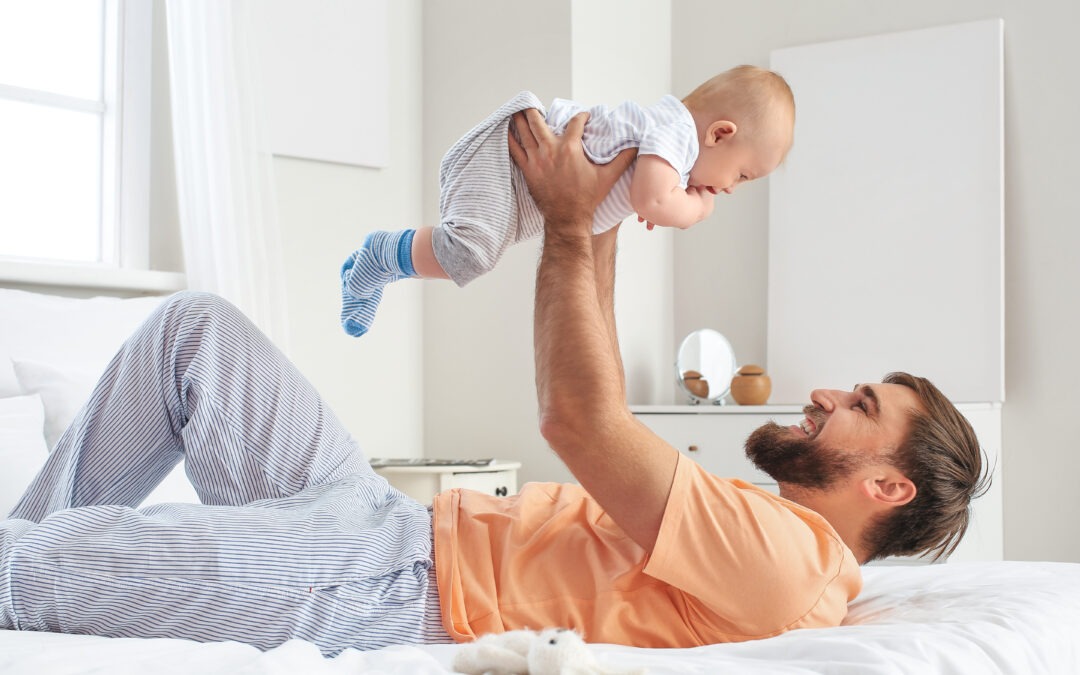
What can neuroscience tell us about the experience of becoming a father? Is it true that caregiving changes the structures of men’s brains? And, if so, what are the implications for our understanding of fathers’ role in the care of their children?
These are the kinds of questions explored in Dad Brain: The New Science of Fatherhood and How It Shapes Men’s Lives by clinical psychologist (and Fairer Disputations Featured Author) Darby Saxbe, which was published earlier this year.

by Christine Marlet | Jun 22, 2026 | All, Female identity, Gender Equality, Male identity
In the real world, meanwhile, ordinary men and women are moving peacefully towards a more gender-equal world. Dramatic economic improvements for women are being matched by a huge increase in the amount of domestic work and child care being done by men. Support for the ideals of gender equality continues to rise. There are more men in our homes caring for kids, and more women in the Houses of Congress, C-suites, and state legislatures.

by Christine Marlet | Jun 4, 2026 | All, Female identity, Gender Equality, Male identity
The hysterical commentators warning that women are destroying civilisation really need to man up. Alas, male victimhood is a rich seam.
The fear that women are conspiring against men online, voting with our hormones, capturing institutions and, naturally, causing wokeism is almost irresistibly appealing

by Christine Marlet | Jun 4, 2026 | All, Female identity, Gender Equality, Male identity
Academia was once a man’s game. Most early American universities were founded as training academies for clergy and other professional men. But the tide turned quickly. Women have received the majority of American undergraduate degrees every year since 1982, master’s degrees since 1987, and doctorates since 2006.

by Christine Marlet | Apr 25, 2026 | All, Female identity, Gender Equality, Male identity, Work-Life Balance/Integration
I argue that the breadwinner model is not traditional but was a radical invention that was little more than a century old at its peak. It carried within it the very pathologies that now afflict the dual-earner model that succeeded it. If we want to understand why men and women struggle to build genuine partnerships today, we need to go further back than the postwar golden age to really understand what the breadwinner model replaced.

by Christine Marlet | Apr 21, 2026 | All, Fatherhood-Motherhood-Children Education, Female identity, Gender Equality, Male identity, Women in Leadership
The line that feminists neglected motherhood has become the standard entry point for arguments about why feminists shouldn’t neglect motherhood now. Yet mid-to-late twentieth-century feminist work on motherhood and mothering is rich and complex. To view it as failed or inadequate because other feminisms and other priorities became dominant risks replicating the matrophobic dynamics this feminism sought to challenge



Commentaires récents