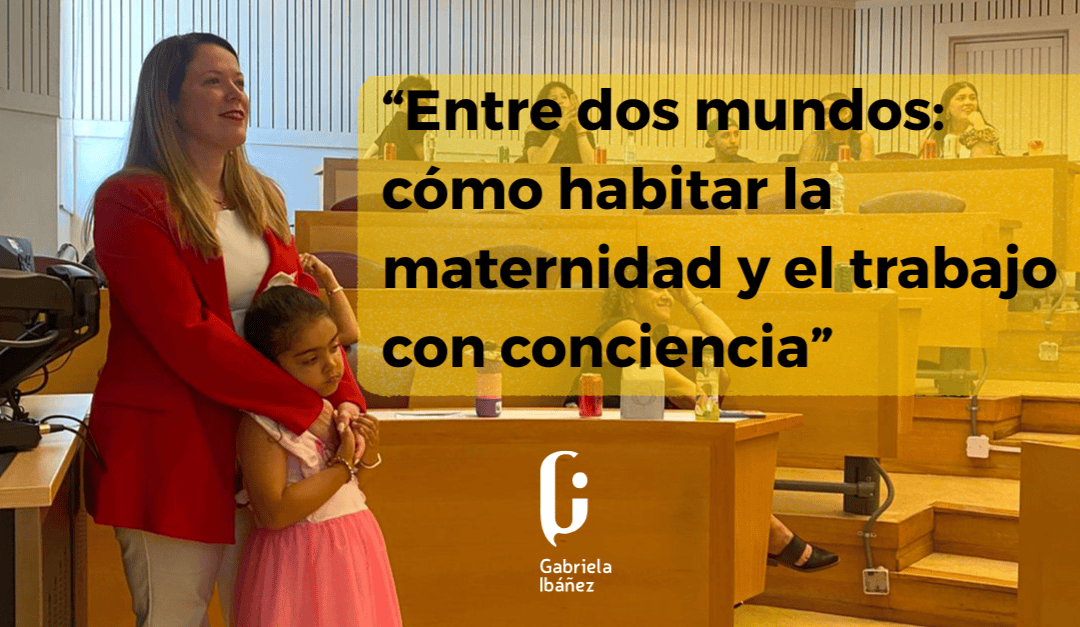
by Christine Marlet | Oct 20, 2026 | All, Gender Equality, Women and Men Cooperation at Home, Work-Life Balance/Integration
Work-life integration isn’t balance. It’s design. Conscious design of priorities, boundaries, agreements, and structures. And like all good design, it requires intention, context, and above all, the right conditions to be implemented

by Christine Marlet | Oct 14, 2026 | All, Female identity, Gender Equality
Still, today, I do see in many women—even women with much worldly success—this same distrust of one’s own powers and paralysis of one’s own energies. And, dare I say, I think it hails from similar quarters: a cultural sense of the inferiority of woman qua woman.
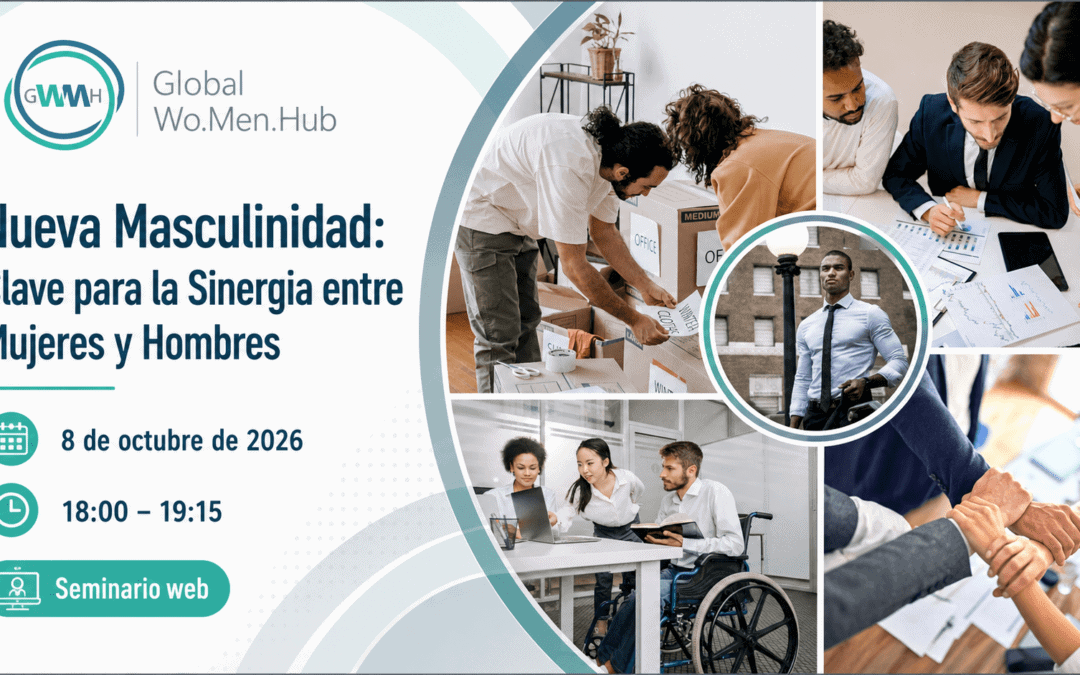
by Christine Marlet | Oct 14, 2026 | All, Gender Equality, Male Identity
The new masculinity is an alternative way of being a man compared to traditional models: more self-aware, more committed to shared responsibility, and more open to care, dialogue, and equality.
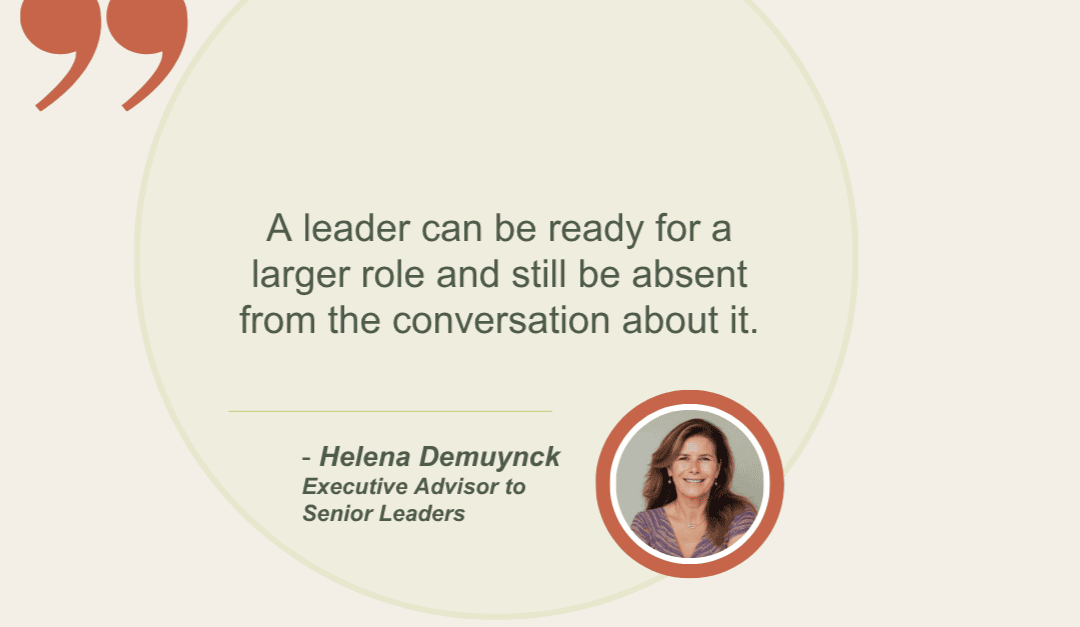
by Christine Marlet | Oct 6, 2026 | All, Women and Men Collaboration at Work, Women in Entrepreneurship, Women in Leadership
Mentorship helps people grow. Sponsorship brings influence to bear on opportunity. Leadership investment becomes more meaningful when an organisation can see how both operate, and can account for who gains access to the work through which future leaders become known.
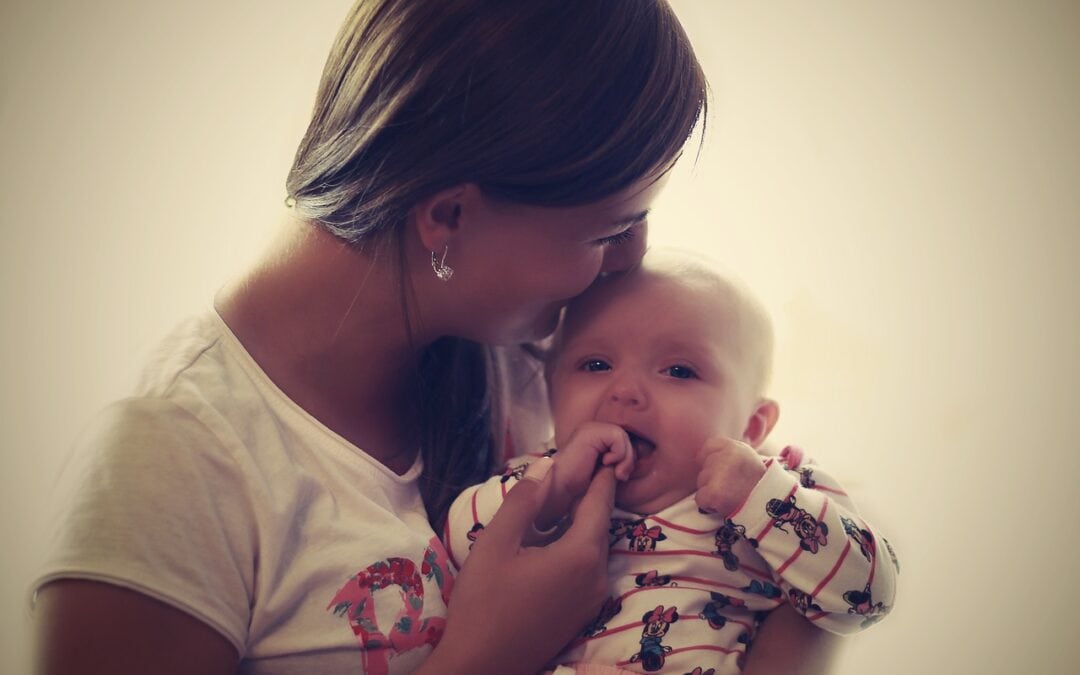
by Christine Marlet | Sep 29, 2026 | All, Fatherhood-Motherhood-Children Education, Work-Life Balance/Integration
There are more newborns who have mothers with bachelor’s degrees as their highest credential than infants who have fathers with the same highest degrees. Having a college-educated mother benefits a child in terms of family stability, freedom from want, and academic achievement.



Commentaires récents