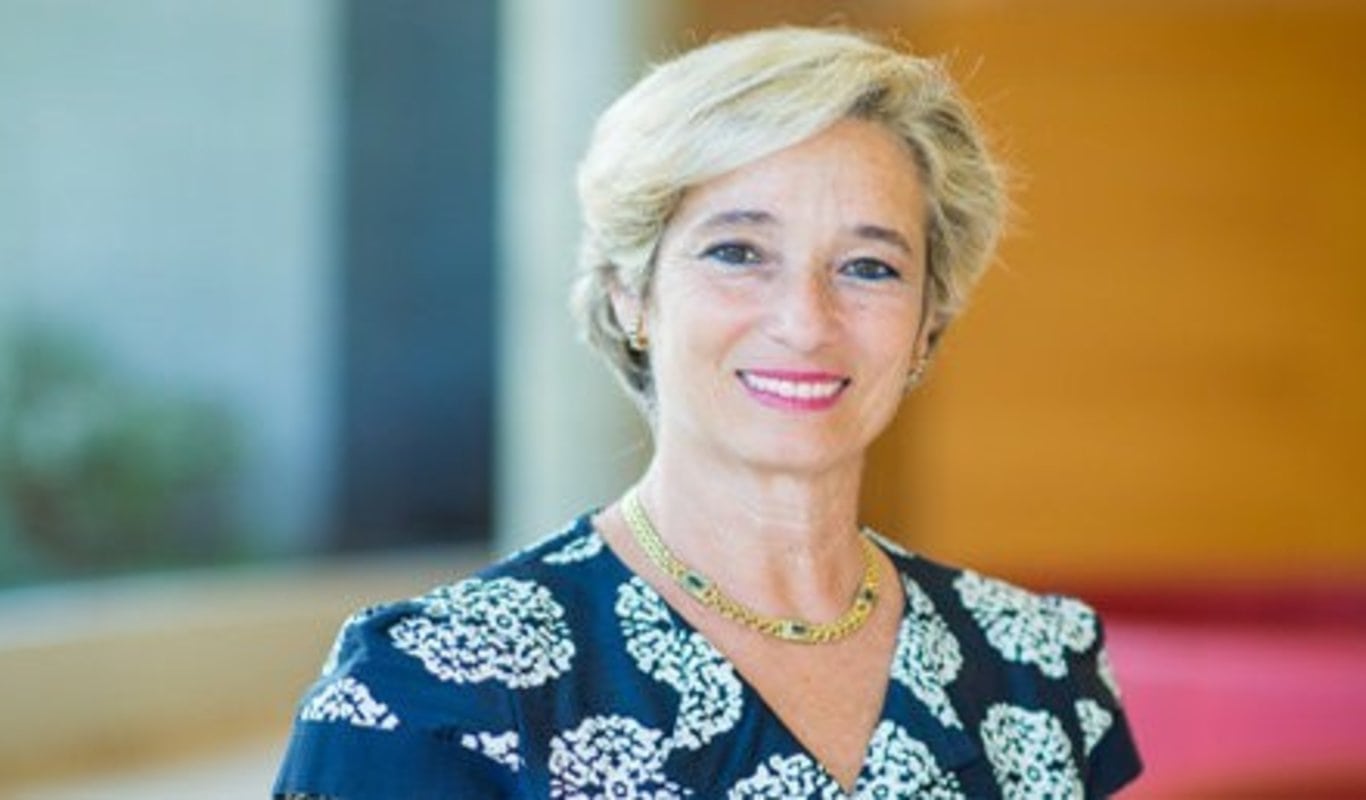
by Nuria Chinchilla, IESE Business School Professor of Leadership. Head of IESE Chair Women&Leadership.
On 23 March 2023, on the occasion of Work-Life Balance Day, the results of the Infojobs survey on the work-life balance were published. The data came as a surprise to many: only 35% of workers claim to be able to reconcile work and family life. These results reveal a setback compared to previous years and invite us to reflect deeply on the current situation.
Why is work-life balance getting worse?
The problem has multiple causes. Today we are more aware of our rights and we value work-life balance more. However, in companies we are experiencing increasing difficulties in achieving this work-life balance. The pandemic showed us the benefits of teleworking and flexibility, but with the return to face-to-face work, many of these advantages seem to have become a thing of the past.
It is essential to address this challenge from a more human perspective. People are not simply workers, but beings with an environment, a family and personal needs. If companies were to adopt a more human and less mechanistic vision, they would be able to make decisions that are more in line with the current demands of their employees, effectively favouring work-life balance.
Flexibility as a key to success
Studies show that employees who have the right measures in place to reconcile their different responsibilities are more productive. In companies that are committed to Corporate Family Responsibility (CFR), an increase of 400% in employee commitment has been observed. This is significant at a time when attracting and retaining talent is one of the biggest business challenges.
Other European countries, especially in the Nordic countries, are already promoting measures in favour of families, regardless of their economic situation. In the Netherlands, for example, there is a law that encourages flexible working hours, allowing employees to adjust their schedules according to their needs, always in agreement with the company. This not only benefits families, but also allows workers to have time for studies, sports or other personal activities, resulting in a healthier balance.
In France, for example, the Cheque d’Emploi pour un Service Universel (CESU) has been a success. This cheque helps to manage household tasks such as childcare or eldercare, generating employment and improving the quality of life of families. Measures like this, which already work in other countries, have not been implemented in Spain due to a lack of political will and budget.
A necessary change: integrating life and work
The debate on work-life balance must go beyond reconciling work and family. They are not two opposite poles, but integral parts of a person’s life. That is why I prefer to talk about integration rather than work-life balance. We need to look at the individual as a whole: his or her leisure, training, family and personal life needs.
Flexibility is a fundamental pillar to achieve this, but it is also necessary to train employees to manage their time and priorities well. Middle management has a key role to play here, encouraging flexibility and allowing small day-to-day issues to be resolved without losing sight of employee commitment and responsibility.
In short, we need more flexibility and resources from the state to create a working environment that allows people to be balanced and happy. Only in this way can we build a sustainable society. Adopting a human ecology approach and caring leadership will help us to achieve the integration we so desperately need in the work and personal spheres.





Commentaires récents