
Fathers Are Not Mothers—They Are Unique and Irreplaceable
The more we pretend that fathers are the same as mothers, the more we damage the relationship between men and women.



The more we pretend that fathers are the same as mothers, the more we damage the relationship between men and women.

We spend endless hours debating whether AI will eventually outsmart humanity, overtake us, displace the workforce, or trigger an existential crisis. But while we stare at the distant horizon waiting for superintelligence, a quieter, far more immediate event is unfolding directly on our screens. Our own minds could start to atrophy

In an age when artificial intelligence is learning faster than we are, what remains deeply human and strategic?
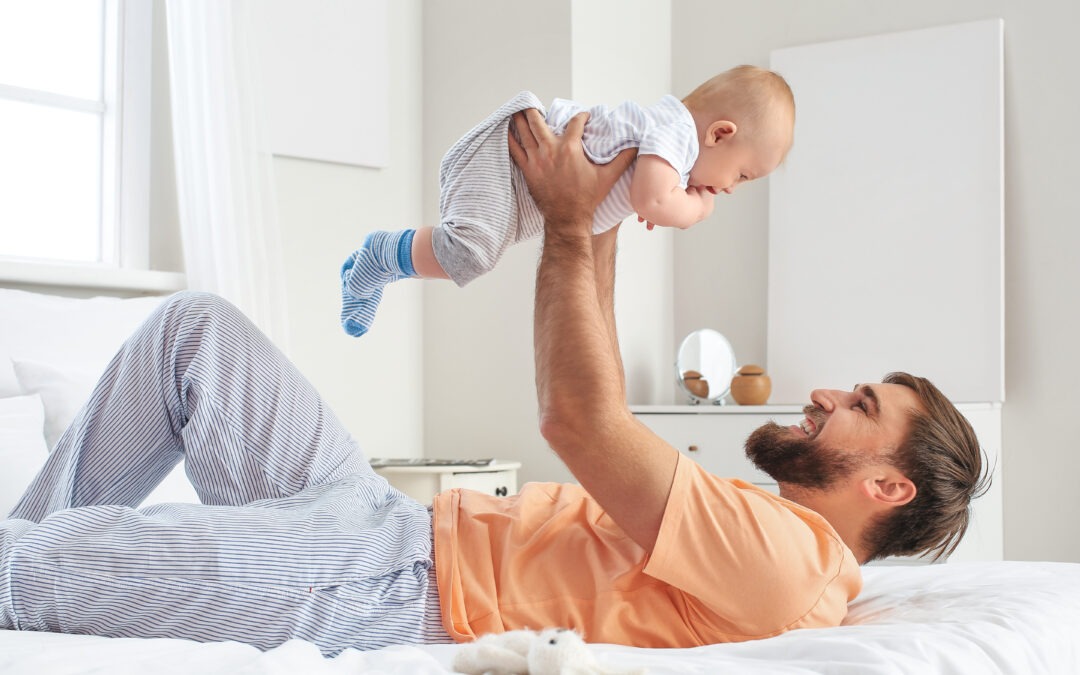
What can neuroscience tell us about the experience of becoming a father? Is it true that caregiving changes the structures of men’s brains? And, if so, what are the implications for our understanding of fathers’ role in the care of their children?
These are the kinds of questions explored in Dad Brain: The New Science of Fatherhood and How It Shapes Men’s Lives by clinical psychologist (and Fairer Disputations Featured Author) Darby Saxbe, which was published earlier this year.

Reclaiming Collective Intelligence
In Reclaiming Collective Intelligence, we argued that humanity’s survival depends on “improving our ability to improve”. Women’s roles as caregivers, organisers, and connectors place them at the heart of this process. Yet their intelligence has been systematically undervalued. Only half of women receive official disaster warnings compared to over 70% of men. Still, when disaster strikes, women are often the ones who mobilise, improvise, and stabilise. They are the living repositories of “what works.”
Commentaires récents