




Women as the Keepers of Collective Intelligence Trading Posts
The New Frontline
All around us, institutions falter. Trust in governments wavers. Promises evaporate in times of crisis, when we need them most. So we must ask—where will help come from?
The truth is simple: it comes from us. In Texas Hill Country, I saw this firsthand. As rivers rose in a sudden flood, it wasn’t distant authorities who kept people alive in those first critical minutes. It was neighbours, mostly women, who pulled together: posting safe routes on group chats, checking in on elders, sharing food and shelter. What looks ordinary—coffee around a kitchen table, folding laundry together, chatting while cooking—becomes extraordinary when the unexpected strikes. The home, it turns out, is not just a refuge. It is the first node of resilience.
From Homes to Trading Posts
History offers a powerful metaphor. On the American frontier, pioneers relied on trail guides and trading posts to survive. Trail guides showed safe passages through unknown territory; trading posts became hubs of exchange, places where knowledge, supplies, and trust were shared. Without them, many would not have made it.
Today, our journey is different, but no less perilous. We face floods, fires, pandemics, financial shocks, and the accelerating disruptions of AI and climate change. We need new trail guides—and new trading posts. Women, long excluded from formal decision-making, are already quietly setting them up. Their homes, kitchens, and community spaces are the modern equivalent of those frontier hubs.
Reclaiming Collective Intelligence
In Reclaiming Collective Intelligence, we argued that humanity’s survival depends on “improving our ability to improve”. That means weaving together human judgment, shared purpose, and digital tools into systems that learn faster than the crises they face. But collective intelligence doesn’t emerge from think tanks or boardrooms alone. It starts where people actually live—around kitchen tables, in WhatsApp groups, and in neighbourhood meet-ups.
Women’s roles as caregivers, organisers, and connectors place them at the heart of this process. Yet their intelligence has been systematically undervalued. Only half of women receive official disaster warnings compared to over 70% of men. In many cultures, their voices are muted in community planning. Still, when disaster strikes, women are often the ones who mobilise, improvise, and stabilise. They are the living
repositories of “what works.”
By recognising women as keepers of the trading posts of collective intelligence, we can reclaim a vital resource for civilisational resilience.
A Phone, a Network, and Leadership
What makes this possible now is technology. With just a phone, free AI tools, and a trusted network, communities can:
- translate alerts into local languages so no neighbour is left behind
- generate checklists for evacuation or shelter-in-place in seconds
- share safe routes in real time, turning phones into lifelines when official systems fail.
AI is not a replacement for human judgment—it is an amplifier. Judgment, trust, and leadership are already in the community. Women, managing households and relationships, are often the first to act. Adding AI skills expands their reach: faster action, broader coverage, tailored advice.
Everyday Acts, Global Impact
Examples are everywhere. In Houston, neighbours practise a simple routine: share an AI-generated checklist, post the safest route, and check on elders with oxygen. In Bangladesh, women use flood alerts to organise boat rescues. In Mexico, mothers’ groups coordinate food kitchens that double as logistics hubs.
These are not headline stories—but they are the backbone of resilience. Just as frontier trading posts enabled migration west, these modern hubs enable survival in our age of cascading crises.
From Margins to Center
The Home Renaissance Foundation’s mission has always been to recognise the central role of the home in building flourishing societies. On this 20th anniversary, we can extend that vision: the home as the seedbed of collective intelligence.
When we empower women to lead trading posts of knowledge, networks, and action, we expand resilience far beyond what governments or institutions can deliver alone. The cavalry isn’t coming. But we are here, in our kitchens and living rooms, with phones in hand, ready to lead.
The Call Ahead
The question for the next twenty years is clear: will we continue to overlook women’s intelligence, or will we elevate it as a cornerstone of civilisational resilience?
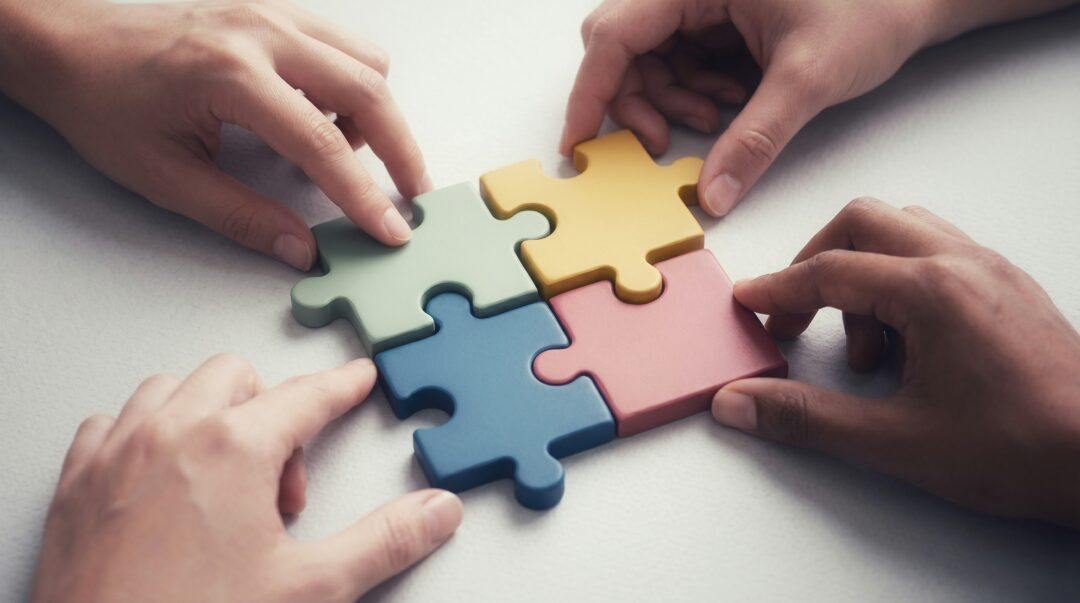
If we choose the latter, we can transform homes from private spaces into public assets, each one a trading post on humanity’s collective journey. From there, communities can link together into networks of resilience, where local wisdom meets global tools, and where the overlooked become the indispensable.
Help is not on the way—it has always been here. In the hands of women. At the centre of the home. Building the trading posts of collective intelligence that will see us through.

Commentaires récents