
by Christine Marlet | Sep 23, 2026
Beginning with Aristotle, and then through much of the Enlightenment period, moral and political philosophers have regarded the relatively independent male as normative, with the female as secondary, dependent, and therefore, subordinate in value to the male. But when we give pride of place, as care ethicists do, to the dependent and vulnerable and those who care for them, then the gestating and nursing maternal body is ascendant.

by Christine Marlet | Feb 5, 2025
With expert advice and diverse stories of stay-at-home mothers who buck every stereotype, as well as interactive exercises to help the reader plot a course for the long term, The Power Pause is an essential handbook for a new generation of caregivers.

by Christine Marlet | Feb 4, 2025
Ser madre nunca ha sido fácil. Los hijos casi siempre son inoportunos y llegan para desbaratar y poner patas arriba nuestra planificada vida personal y profesional. Convivir con una criatura así no es fácil, por mucho amor que se ponga. Además, tener hijos y cuidarlos con amor “colisiona” con el desarrollo personal y la autorrealización que exige nuestra sociedad enferma.

by Christine Marlet | Oct 28, 2024
What are the intergenerational resource transfer contributions of parents and non-parents in Europe? Using National Transfer Accounts and National Time Transfer Accounts for 12 countries around 2010, we go beyond public transfers (net taxes) to also value two statistically much less visible transfers in the family realm: of market goods and of unpaid household labour (time). Non-parents contribute almost exclusively to public transfers. But parents additionally provide still larger private transfers: mothers mainly time, fathers mainly market goods.
by Christine Marlet | Dec 2, 2020
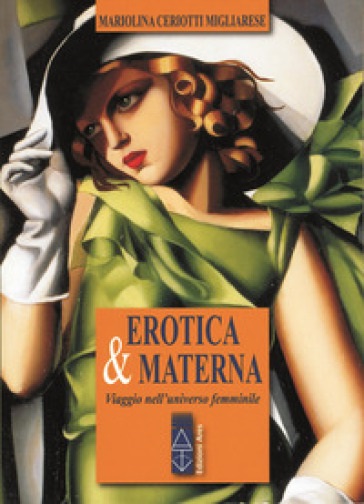
Reflection on the female condition is urgent in our time. Never until today have we been closer to understanding the equality of value between the sexes. And never have we found ourselves more distant and confused, living together in a culture that denies the value of difference. This is precisely the paradox of our world.



Commentaires récents