
by Christine Marlet | Apr 3, 2024 | All, Fatherhood-Motherhood-Children Education
Changing the conversation on child care: from what’s good for GDP, to what’s good for mothers and infants. Too little attention is paid to why women leave the workforce or reduce their hours after having children
Although childcare costs are a major factor constraining women’s choices about work, many other factors are at play. Many UK families now find they need two full time incomes to cover housing costs. And women still struggle to find part time work which pays well, despite a continuing push for flexible working.

by Christine Marlet | Mar 19, 2024 | All, Fatherhood-Motherhood-Children Education
Sociologist Christopher Lasch once wrote, “Socialization makes the individual want to do what he has to do; the family is the agency to which society entrusts this complex and delicate task.”

by Christine Marlet | Mar 13, 2024 | All, Fatherhood-Motherhood-Children Education
There’s so many other things dads can do to be excellent fathers. But here’s the vital thing: Fatherhood matters. Period.
by Christine Marlet | Dec 5, 2023 | All, Fatherhood-Motherhood-Children Education
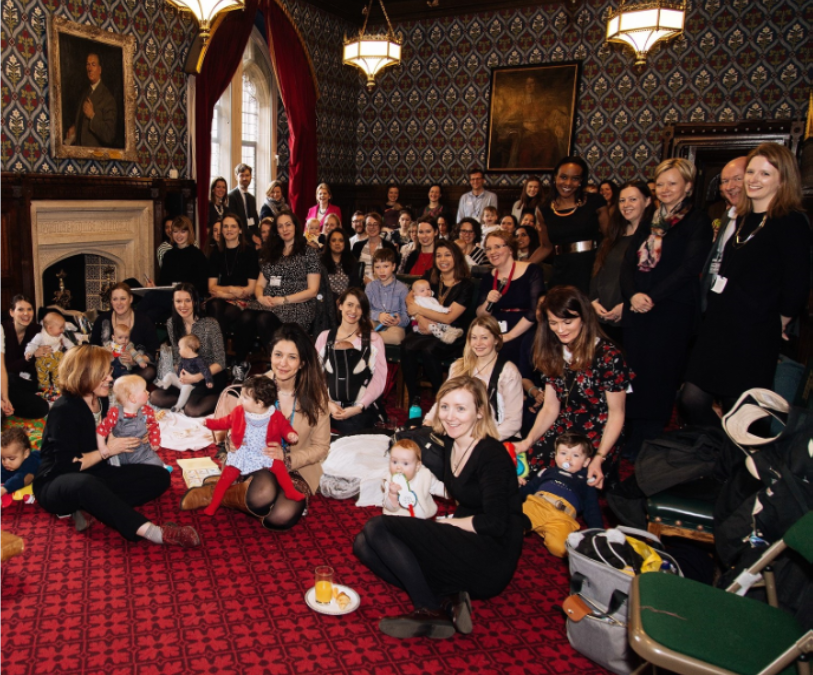
The Big Parent Career Choices Survey was completed by nearly 900 working parents. It found that 86% of parents want to progress their careers in the next five years, with 51% wanting to progress in the next two years.

by Christine Marlet | Nov 16, 2023 | All, Fatherhood-Motherhood-Children Education
Stay-at-home dads like Lange are becoming more common. In the US, for example, the number nearly doubled from 1989 to 2012. But they’re still relatively unusual. Of US families with opposite-sex, married parents, 5.6% have working mothers and non-working fathers, compared to the 28.6% with working fathers and non-working mothers.

by Christine Marlet | Jun 19, 2023 | All, Fatherhood-Motherhood-Children Education
At the end of 2022, Richard Reeves – a British researcher at the Brookings Institution, the benchmark think tank of the moderate left in the United States – published Of Boys and Men. Why the Modern Male Is Struggling, Why It Matters, and What to Do about It. Why the Modern Male Is Struggling. Why it matters. And what to do about it). His thesis stands in stark contrast to the Woke assumption about masculinity. According to Reeves, being a man today has, in fact, become a disadvantage in many areas: education, employment, health, psychological well-being, family relationships, and so on.



Commentaires récents