
by Christine Marlet | Sep 14, 2026 | All, Gender Equality, Women in Leadership, Women Input in Digitalisation, Women Input in STEM
We spend endless hours debating whether AI will eventually outsmart humanity, overtake us, displace the workforce, or trigger an existential crisis. But while we stare at the distant horizon waiting for superintelligence, a quieter, far more immediate event is unfolding directly on our screens. Our own minds could start to atrophy

by Christine Marlet | Sep 9, 2026 | All, Gender Equality, Women Input in Digitalisation, Women Input in STEM
In an age when artificial intelligence is learning faster than we are, what remains deeply human and strategic?
by Christine Marlet | Sep 4, 2026 | All, Fatherhood-Motherhood-Children Education, Gender Equality, Male identity
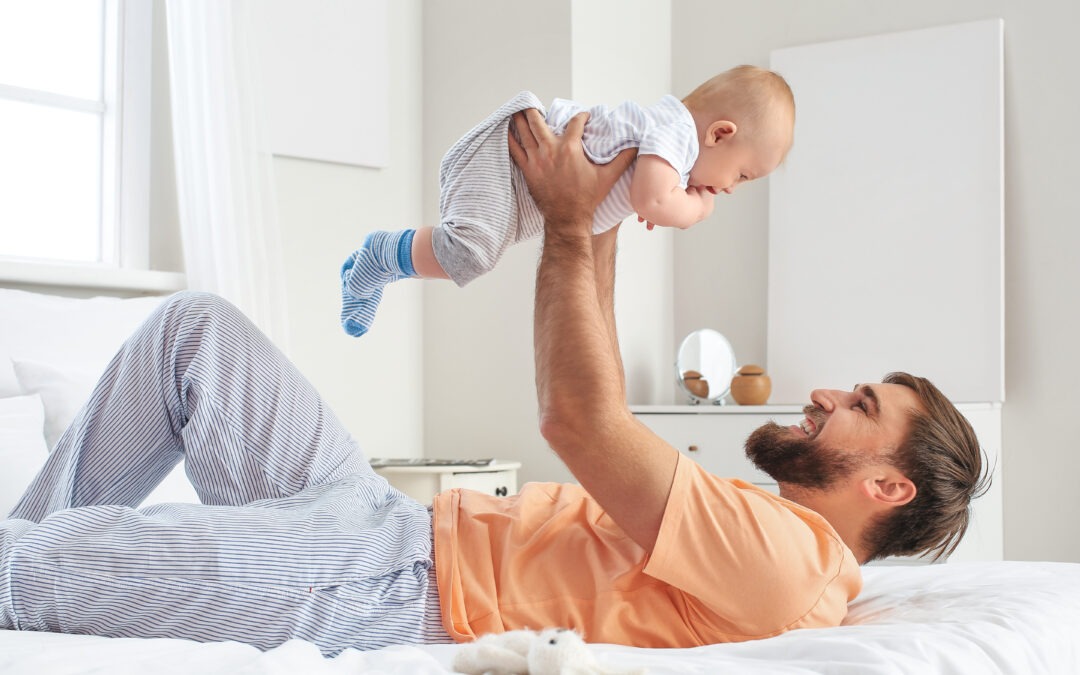
What can neuroscience tell us about the experience of becoming a father? Is it true that caregiving changes the structures of men’s brains? And, if so, what are the implications for our understanding of fathers’ role in the care of their children?
These are the kinds of questions explored in Dad Brain: The New Science of Fatherhood and How It Shapes Men’s Lives by clinical psychologist (and Fairer Disputations Featured Author) Darby Saxbe, which was published earlier this year.
by Christine Marlet | Aug 18, 2026 | All, Gender Equality, Women in Entrepreneurship, Women in Leadership, Work-Life Balance/Integration
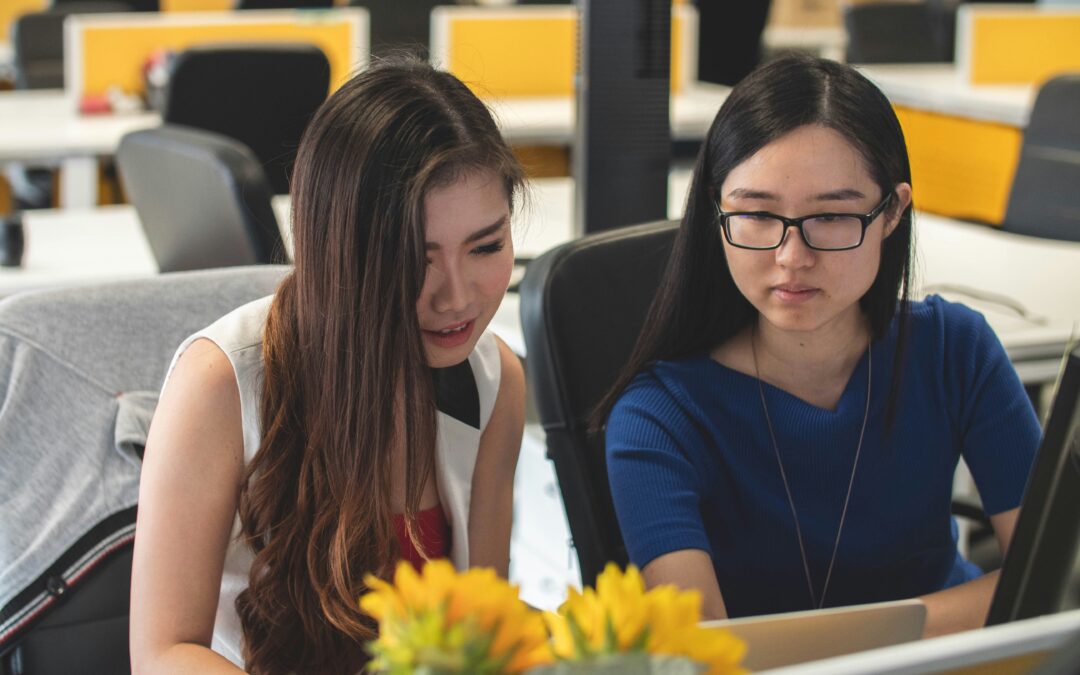
We’re meeting Jacqui Cooper, an Australian freestyle skier, mother, and entrepreneur, who invites us to rethink our relationship with performance.
by Christine Marlet | Aug 10, 2026 | All, Fatherhood-Motherhood-Children Education, Gender Equality, Work-Life Balance/Integration
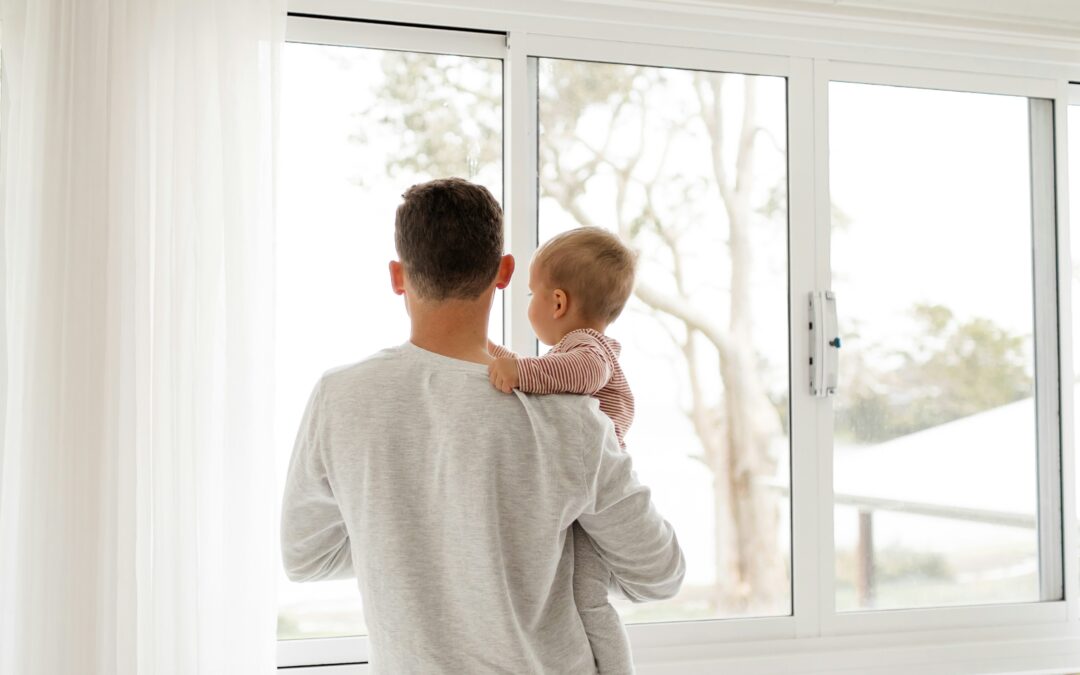
Fatherhood is changing, and the data now shows that this shift is real. New research from the American Institute for Boys and Men highlights a major trend that many couples are already experiencing in their own homes. After years of stalled progress, gender convergence inside the home has restarted, and fathers are helping drive the change. Men are spending more time caring for their children, taking on household responsibilities, and becoming more engaged in their children’s emotional lives.

by Christine Marlet | Aug 6, 2026 | All, Fatherhood-Motherhood-Children Education, Gender Equality, Work-Life Balance/Integration
There is a deeply held belief—one that is almost never spoken aloud but is ever-present—that professional and family life function like communicating vessels: what one gains, the other loses. Under this logic, balancing motherhood with a high-level career—whether in sports, management, or academia—is not a matter of two projects coexisting, but rather two projects competing for the same scarce resource: time, energy, and the ability to be present.



Commentaires récents