
Inhabiting Time: a New Look upon Work in Times of Coronavirus
The COVID-19 crisis may become a symbolic revolution in our regard to the way we work and provide care. In essence, a new look upon how we live.



The COVID-19 crisis may become a symbolic revolution in our regard to the way we work and provide care. In essence, a new look upon how we live.

While working from home has been seen as beneficial for those otherwise commuting into the cities, it has been detrimental for those dependent on such commuters – office cleaners, receptionists, cab drivers, restaurant and catering staff. These are typically some of the lowest-paid roles and their loss is all the more serious as a consequence. The place this is felt first is in the home.

Essentially, you’re quite emotional and it affects you in the workplace, and I know it can be uncomfortable for you, which is why we’re talking about it today.

what do we mean by feminine management and masculine management? I’m against the idea of giving different genres to management. The problem today lies in the fact that society has established a certain leadership style as being the one that all managers should follow. As a result, an ideal of leadership is created, often by supermen, sometimes by superwomen, who manage to build teams, motivate them, understand them, have time to work out 1 hour every morning, do yoga and meditation in the evening, and are obviously very charismatic and always confident. Leaders who never get angry, who coach their teams, reassure them, explain things, who give guidance without micromanaging… I mean, you know…
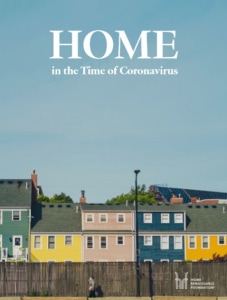
Responding to the coronavirus in relation to the Home, we have produced a Communication Report in which different personalities share their experience of what home is – and means – to them during this time of a pandemic.
Commentaires récents