
by Christine Marlet | Oct 28, 2020
Countless children throughout the world grow up without fathers. In this revised and updated edition of The Father, accompanied by a new preface, Luigi Zoja studies the reasons for this and assesses the contribution of this phenomenon to social and psychological problems.

by Christine Marlet | Oct 18, 2020
Thanks to the fight against male domination, women have created networks among themselves, they have reflected on themselves, they have grown, they have asserted themselves. But the perhaps inevitably one-sided way of looking at the relationship between the sexes has led to a very dangerous misunderstanding, which now shows its increasingly serious consequences: in order to counteract the arrogance, women are unwittingly contributing to making men impotent.

by Christine Marlet | Sep 6, 2020
This article explores the barriers and strategies experienced by Spanish working fathers regarding work-family balance. Based on 29 in-depth interviews with Spanish working fathers in different typesof organizations and sectors, the results of this study present different barriers that are divided into three groups: contextual barriers, organizational barriers and internalized barriers. T
by Christine Marlet | Sep 6, 2020
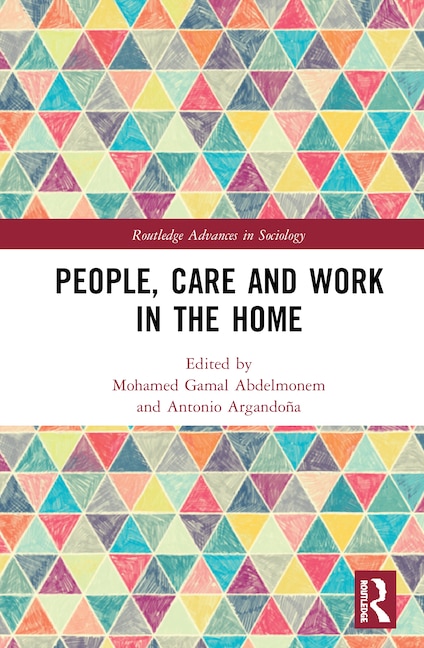
The changing demographics of our modern society have inevitably impacted the dynamics and relationships within the home from being personal and private to that of multiple work relationships; domestic work, care for older people, or supporting people with special needs. Whilst the home is a concept universally experienced, permeating every aspect of our lives, it remains an entity whose influence on health and wellbeing is poorly understood.

by Christine Marlet | Oct 25, 2019
Women often find themselves strongly disadvantaged in the field of software development, in particular when it comes to open source. In a study recently published in EPJ Data Science, Orsolya Vasarhelyi and Balazs Vedres argue that this disadvantage stems from gendered behavior rather than categorical discrimination: women are at a disadvantage because of what they do, rather than because of who they are.



Commentaires récents