by Christine Marlet | Apr 19, 2021 | All, Women and Men Cooperation at Home
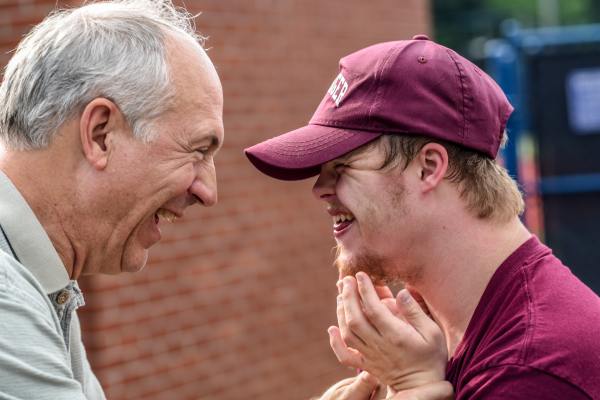
We want to dedicate this new 2021 Communication project to all those homes where people live with disabilities. We have entered these homes to learn about the difficulties that the people who inhabit them experience every day. We want to honour all those family members who give so much of themselves so that their children, their parents or their grandparents live with dignity. We want to engage with professionals working in this field on how to deal with such a situation.
by Christine Marlet | Jan 11, 2021 | All, Women and Men Cooperation at Home
The home, as we have experienced from months of lockdown due to Covid, is pivotal in our understanding of ourselves and others. All the prejudices of our understanding, especially when it comes to disabilities, are gleaned from the home. And those prejudices are reinforced, for example, by television dramas. But parents, relatives, friends and those who work with people with Down’s syndrome follow a very different storyline.
by Christine Marlet | Jan 6, 2021 | All, Work-Life Balance/Integration
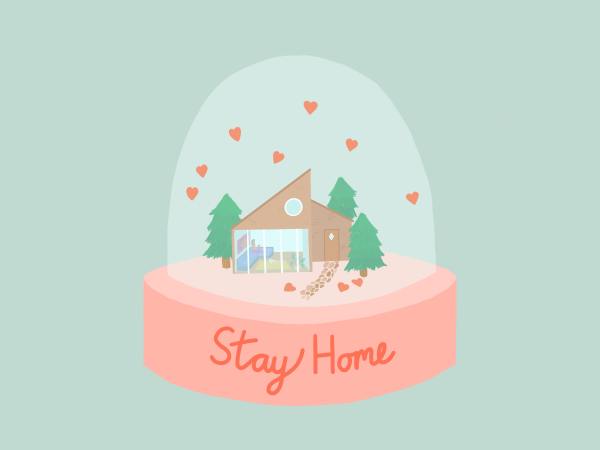
The confinement put us all to the test, since feeling deprived of freedom, not being able to continue with a normal life and having to stay at home. In the months of April and May, the percentage of people suffering from mental problems and serious fatigue increased and it would be interesting to see if the cause is due to telework or simply telework misapplied by necessity.

by Christine Marlet | Sep 3, 2020 | All, Women and Men Cooperation at Home, Work-Life Balance/Integration
While working from home has been seen as beneficial for those otherwise commuting into the cities, it has been detrimental for those dependent on such commuters – office cleaners, receptionists, cab drivers, restaurant and catering staff. These are typically some of the lowest-paid roles and their loss is all the more serious as a consequence. The place this is felt first is in the home.
by Christine Marlet | Jun 1, 2020 | All, Women and Men Collaboration at Work
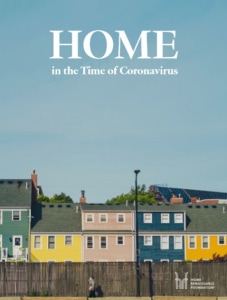
Responding to the coronavirus in relation to the Home, we have produced a Communication Report in which different personalities share their experience of what home is – and means – to them during this time of a pandemic.



Commentaires récents